Building your own home is one of the biggest things you’ll ever do, and yet the process itself isn’t exactly common knowledge. There’s a lot happening behind the scenes and knowing what to expect at each stage makes the whole journey feel far less daunting and a lot more exciting.
So here’s your guide to the home building process in WA, from first steps to getting your keys.
The Home Building Timeline at a Glance
We’ll take you through each step in more detail, but first take a look at this quick rundown of the home building process in WA:
| Stage | What happens | Who helps |
|---|---|---|
| Budget and goals | Work out needs, lifestyle and price range | Home consultant / finance broker |
| Finance | Pre-approval, LOE, construction loan planning | Resolve Finance |
| Builder and land | Compare builders, designs and house and land options | Builder / land expert |
| Selections | Choose colours, finishes, fixtures and fittings | Selections consultant / Home Collective |
| Construction | Slab, plate high, roof cover, lock-up, completion | Builder / supervisor |
| Handover | PCI, final checks, keys and warranty | Builder |
| Post-handover | After care service and maintenance | Home Assist |
Step 1: Work Out Your Budget and Goals
Before anything else, get honest about your numbers. What can you comfortably spend? What do you need from your home right now, and what might you need in five years? Are you building to live in long term, or is this a stepping stone?
Your home building budget sets the boundaries for every decision that follows, so starting here isn’t just practical, it’s essential. Factor in not just the build cost but land, site costs, upgrades, landscaping, and a buffer for the unexpected.
Step 2: Get Your Finance Organised
This one surprises a lot of first home builders: get pre-approval sorted before you start looking at land or designs, not after. A finance health check and a Letter of Eligibility (LOE) are a great place to start. An LOE is a letter from a mortgage broker or lender which outlines how much money you are likely approved to borrow, based on their initial review of your finances. Gaining a clear picture of your borrowing capacity means you can move quickly when you find the right block in WA’s competitive property market (and you won’t waste time falling for something outside your reach).
Construction loans work differently to standard home loans, with funds released in stages as your build progresses rather than as a lump sum. A broker experienced with construction loans, like Resolve Finance, is genuinely worth having on your team from the start.
If you’re a first home buyer, this is also the time to look into the First Home Owner Grant and stamp duty concessions available in WA.
Remember that grant and stamp duty rules can change, so always check for WA Government legislation updates or speak with a construction finance specialist before making any decisions based on eligibility.

Step 3: Find Your Builder and Explore House and Land Options
This is where it starts to get real. Engaging with a builder early is one of the best moves you can make, even before you’ve locked in land, because the right builder can help guide both decisions.
Start by visiting display homes. Look at the quality of the finishes, ask about what’s included in their standard range, and check their warranties. Read real client reviews, not just the testimonials on their website. But beyond the specs, pay attention to how they make you feel. Do they seem genuinely invested in your journey, or does it feel like a transaction? Are they taking time to understand what you actually want, or rushing you toward a decision? A good builder should feel like a partner in this process, not a salesperson.
If you haven’t got your finance fully sorted yet, a good builder can also help point you in the right direction, whether that’s connecting you with a broker or helping you understand what’s realistic within your budget.
Once you’ve found a builder you trust, you’ll work through house and land packages in areas that appeal to you and suit your budget, or if you already have land, find a design that works for your block.
Before you commit to land, a home design or a builder, Home Collective can help you understand what’s possible.

Step 4: Paperwork, Deposits and Contracts
Once you’ve chosen your builder and you’re ready to move forward, there’s a series of important admin steps to work through.
First, you’ll sign your home paperwork (Preliminary Works Contract – PWC) and pay your deposit to the builder, followed by signing your land paperwork (Offer and Acceptance – O&A) and paying your land deposit.
From there, your HIA (Housing Industry Association) building contract will be prepared. Read it carefully, ask questions for clarity, and don’t feel rushed to sign until you’re comfortable with what’s in it.
Step 5: Selections Consult
This is arguably one of the most exciting parts of the home building process. Your Selections Consult (otherwise known as Pre-Start) is where every internal and external finish gets chosen and signed off: flooring, cabinetry, benchtops, tapware, tiles, roofing, and more.
Come prepared. Bring images you’ve saved, visit Home Collective ahead of time, and have a clear sense of your style direction before you walk in. The more groundwork you’ve done, the more you’ll get out of the appointment. Your Selections Consultant is there to help you pull it all together into something cohesive and completely yours.

Step 6: Formal Contracts, Finance Approval and Permits
Once your selections are locked in, your builder will prepare the formal building contract. Read it carefully and don’t hesitate to ask questions before you sign.
At the same time, your finance application gets submitted, your lender will complete a bank valuation, and from there you’ll receive formal approval. Once formal approval is in place, settlement is booked and the land officially becomes yours.
While all of this is happening, your builder is working in the background to get your building permit lodged and approved with the relevant local council. By the time settlement is done, you’re ready to build. Patience is all part of the process here!
Step 7: Construction Begins
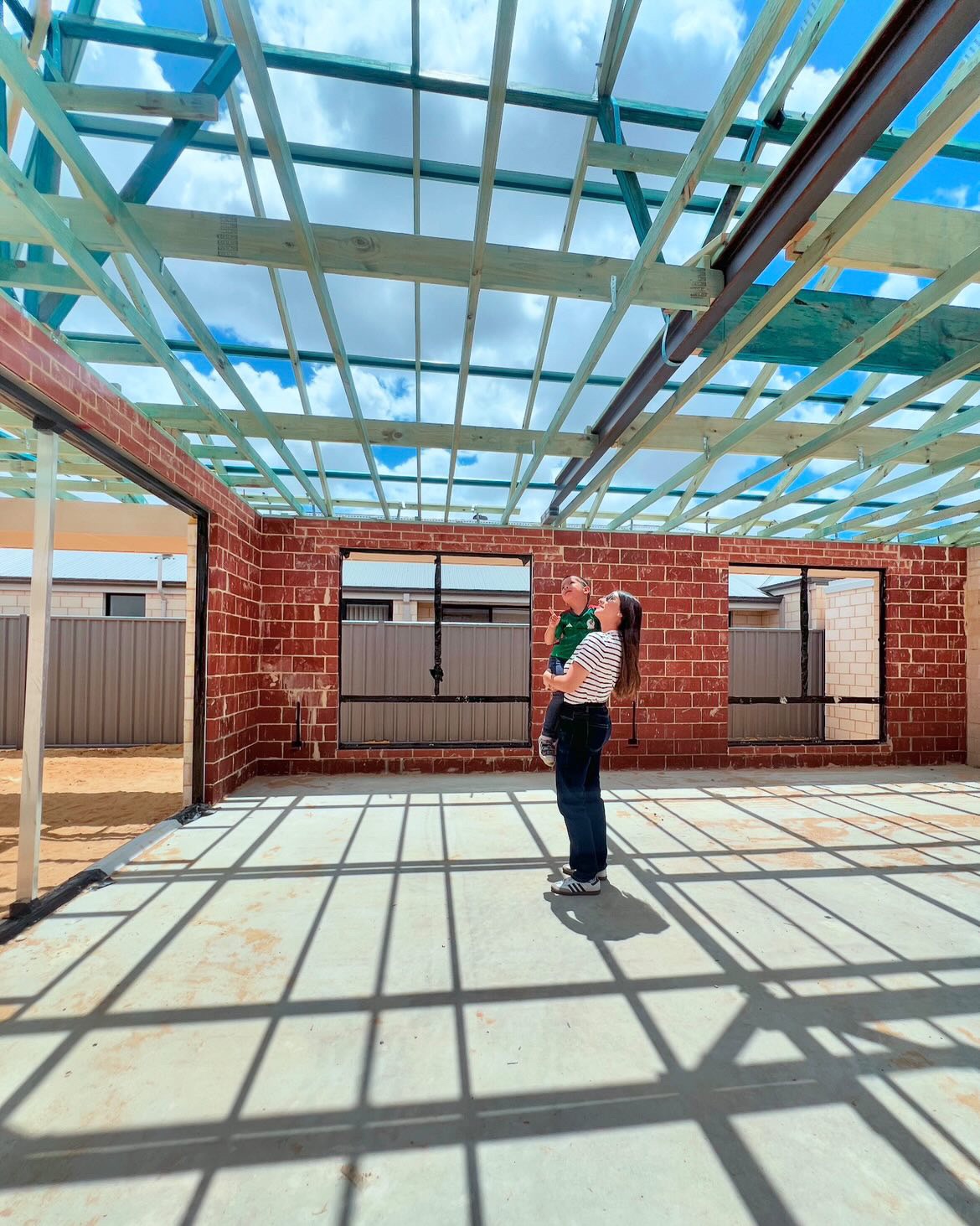
Once approvals are in place, your home building timeline officially kicks off. Construction progresses through a series of key milestones: slab down, plate high, roof cover, lock up, and practical completion. Your progress payments will align with these stages, so you’ll always have a clear sense of where you’re at.
Most builders will provide updates at each stage, and a really good one will keep in touch fortnightly.
Step 8: Final Checks and Handover
As your build approaches completion, you’ll be invited to a pre-handover inspection, sometimes called a PCI (Practical Completion Inspection). Walk through your home carefully, check everything against your contract and selections, and note anything that needs attention. This is your opportunity to get things addressed before you take the keys.
Handover is when the home officially becomes yours. It’s also the start of your warranty period, so make sure you understand what’s covered and for how long.
Common Delays and What to Expect in the Home Building Timeline
The home building timeline in Perth and across WA can be affected by things such as council approval timeframes, weather, subcontractor availability and material supply. Delays can happen across the industry, and a good builder will set your expectations and keep you properly informed of any possible delays.
Home Collective is proudly part of the ABN Group. We’re intentional about the volume of homes we take on, because we only commit to builds we know we can manage and deliver well. Backed by a construction crew with over 535 years of combined experience and a trusted Trade Mates community, we’re set up to keep your build moving without cutting corners.
Mistakes to Avoid During the Home Building Process
A few things that are easy to get wrong and worth knowing upfront:
Not reading your contract thoroughly: Understand what’s fixed, what’s provisional, and what could change in cost.
Underestimating your total budget: The build price is one number. Site costs, upgrades, landscaping, and temporary accommodation add up quickly.
Making changes after contracts are signed: Variations mid-build can be expensive and cause delays. Get your decisions locked in at Selections as much as possible.
Not keeping records: Document conversations with your builder, keep copies of everything, and stay organised throughout.
You're More Ready Than You Think
The home building process can feel overwhelming, but broken down into steps it’s genuinely manageable, especially when you have the right people around you. A good builder makes the process clear, keeps you informed, and is there to answer questions at every stage.
Take it one step at a time, do the groundwork early, and trust the process. Before you know it, you’ll be standing in your own home wondering why you ever found it daunting.
Every home starts with a conversation. Whether you’re at the ideas stage or ready to get serious, our team is here to walk you through the home building process and help you understand your options across finance, land, home design and selections. Book a free guided tour of our Leederville or Bunbury home centre today.

FAQ's
What comes first, finance or choosing a builder?
Ideally, finance comes first. Getting a finance health check, pre-approval or Letter of Eligibility (LOE) gives you a clear understanding of your borrowing capacity before you start looking at home designs or land options. This helps you focus on homes and locations that genuinely fit your budget and avoids disappointment later on.
Can Home Collective help before I choose a builder?
Absolutely. In fact, that’s one of the best times to visit Home Collective.
Whether you’re just starting to think about building or actively comparing your options, Home Collective can help you better understand the entire journey. You can explore home designs, compare finishes and fixtures, learn more about finance and land options, and speak with experts who can help you make informed decisions before committing to a builder.