Here’s a question every new home builder faces at some point, usually while deep in a Pinterest spiral at 11pm: is this actually me, or is this just what I’ve been seeing everywhere lately? It’s a good question. And honestly, the answer doesn’t have to be one or the other.
Building a new home is a rare opportunity to start completely fresh, which means you get to be intentional. The goal isn’t to avoid trends entirely (some of them are genuinely beautiful) or to play it so safe your home doesn’t showcase your personality. It’s about knowing the difference between what you’ll love in ten years and what you love right now, and designing accordingly.
Why Trends Aren't the Enemy
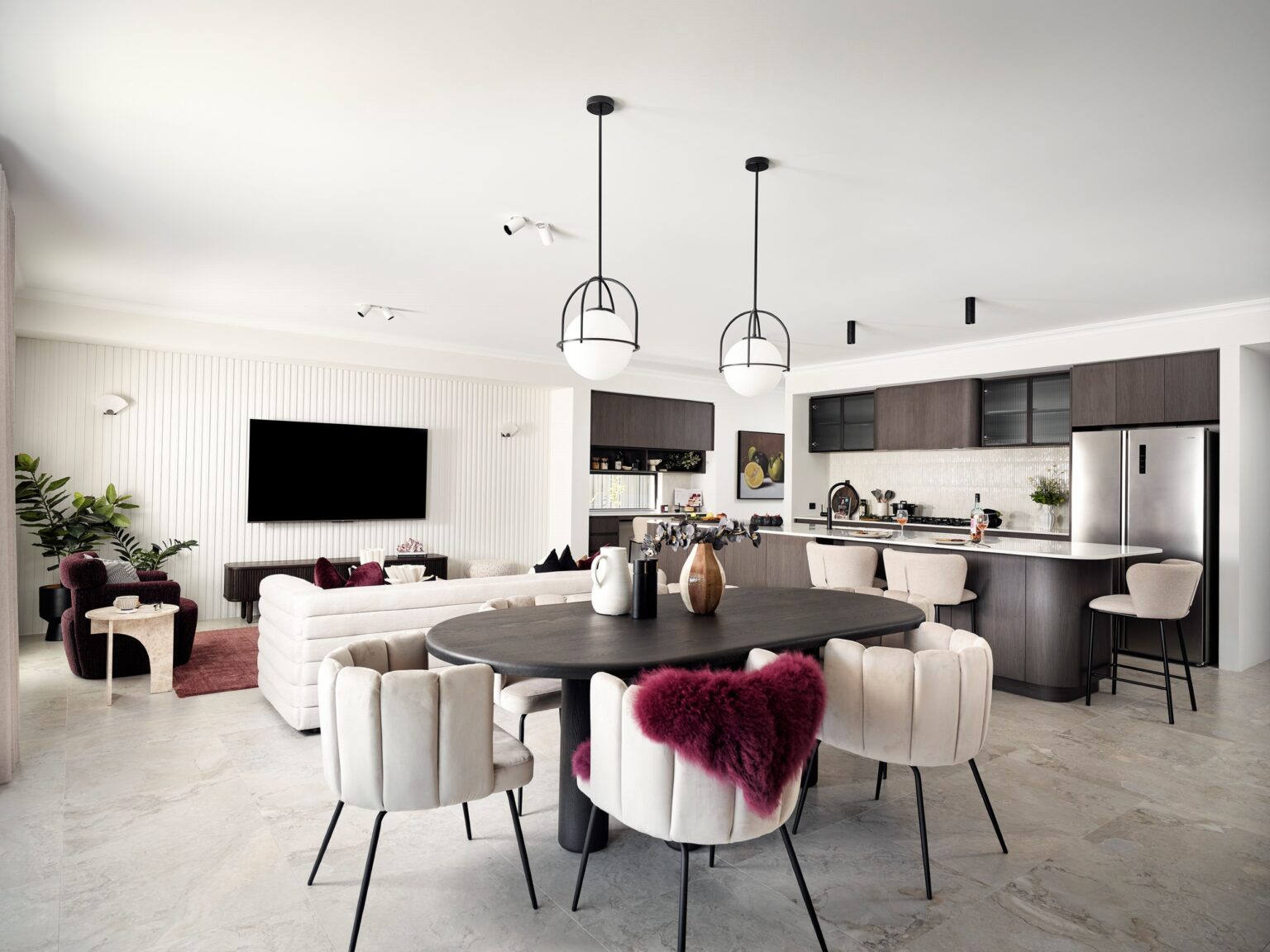
Let’s clear something up: following a trend isn’t a design sin. Trends exist because a lot of people are drawn to the same things at the same time, and usually for good reason. The Japandi wave? It’s popular because warm timbers, clean lines, and natural textures are genuinely calming to live with. Limewash walls? They add depth and texture that flat paint simply can’t. Boucle, arched doorways, fluted cabinetry? These things look good because they are good.
The problem isn’t the trend itself. It’s when you choose something purely because it’s having a moment, without thinking about whether it fits your home, your lifestyle or your taste beyond right now.
The Timeless Framework: Where to Invest
Think of your home in layers. The bones, the backdrop, and the details. The further something is from easy or affordable to change, the more timeless it should be.
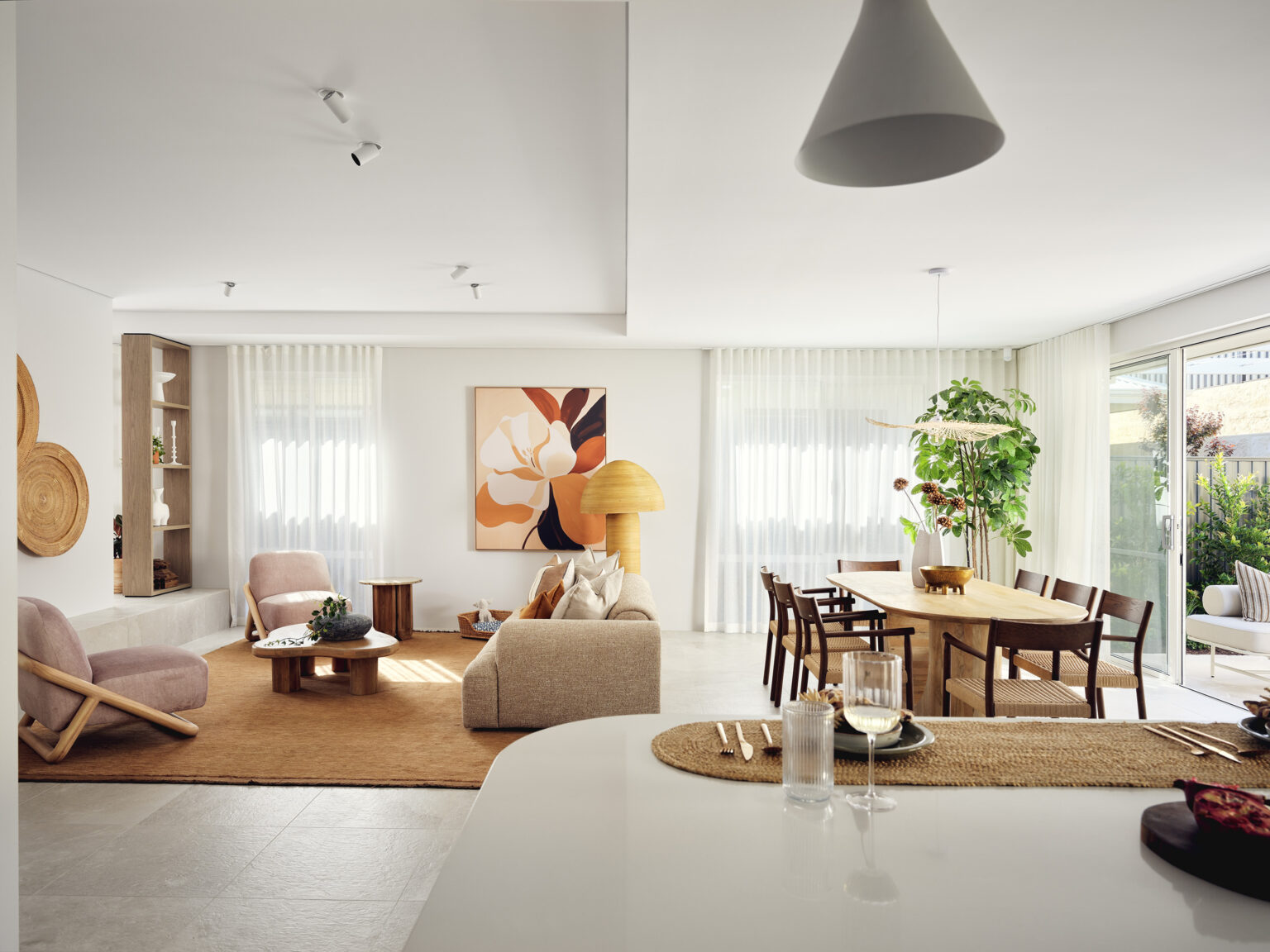
The bones are your flooring, cabinetry, benchtops and wall colours. These are the big-ticket, hard-to-change elements that will underpin every other decision you make. This is where timeless earns its keep. Neutral toned flooring, shaker or flat-fronted cabinetry, stone benchtops, a warm white or soft greige on the walls, these are the foundations that let everything else breathe. They won’t date because they were never really “in” to begin with. They’re just quietly, consistently good.
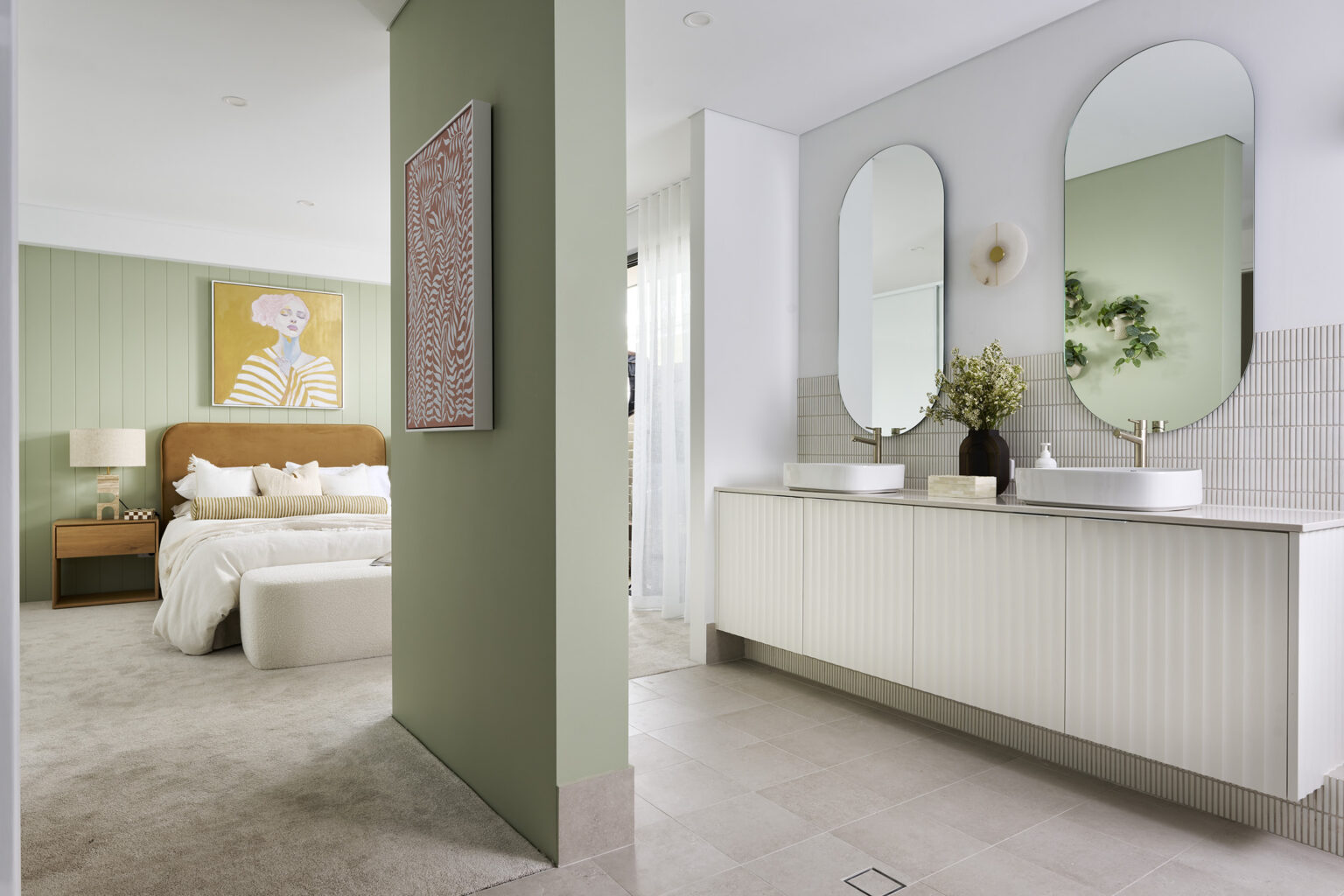
The backdrop is your tapware, handles, lighting fixtures and tile selections. These sit in the middle ground. A classic brushed nickel will outlast a more decorative finish, but this is also where you can start to introduce a little more character without the same level of risk.
The details are where trends get to play. Cushions, pendants, artwork, rugs, furniture, plants. These are the easiest and most affordable things to update as your taste evolves, which means this is exactly where you should lean into what you love right now without overthinking it.
How to Tell If You Actually Love Something
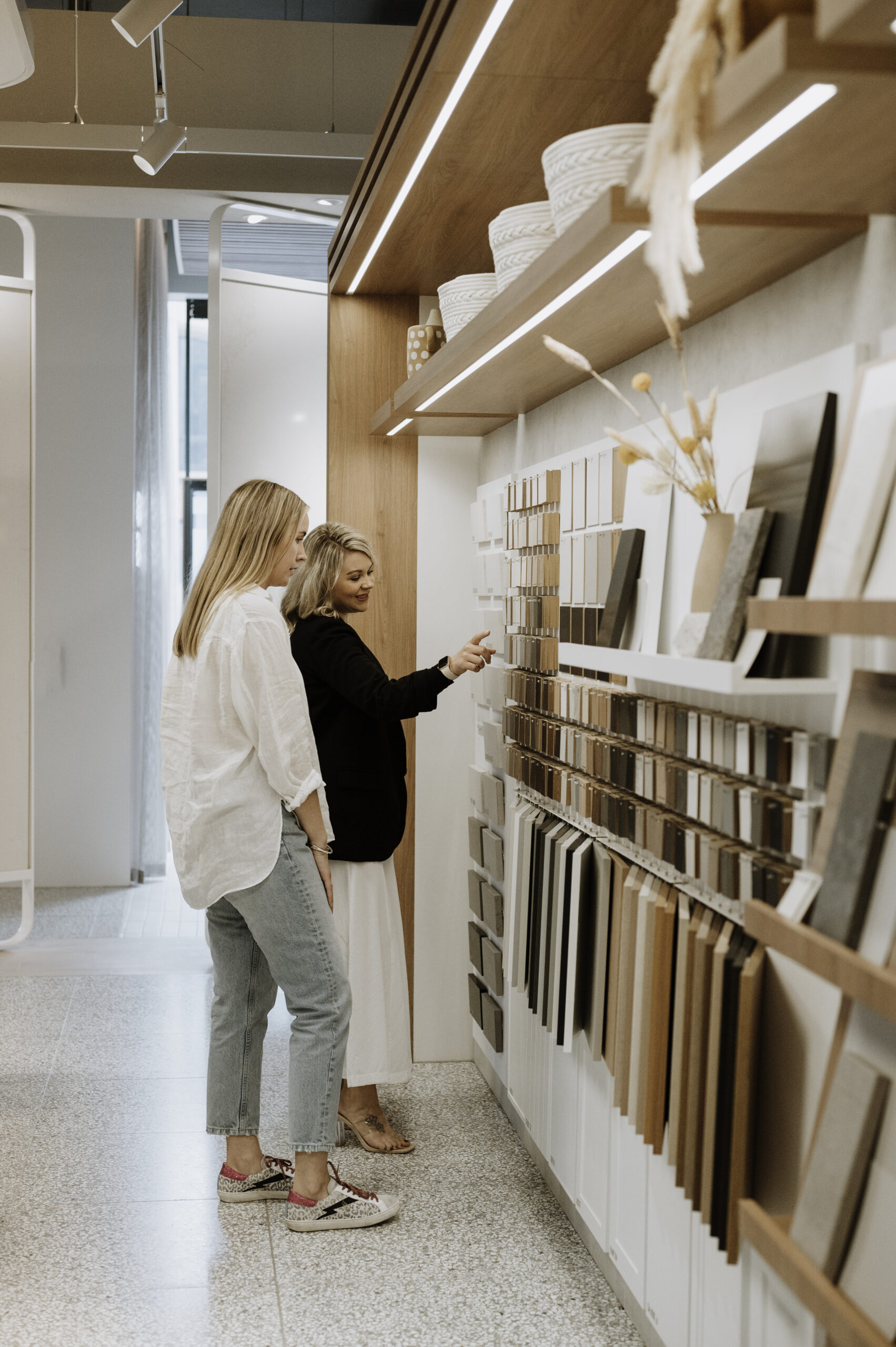
Before committing to any selection, ask yourself a few honest questions.
Have you loved this for a while, or did you discover it last month? There’s a difference between a style you’ve been consistently drawn to and something that ambushed you on Instagram. Both are valid, but one is more reliable as a long-term decision.
Can you see it working in five years? Not just in the abstract, but in your actual home, with your actual furniture, your actual life in it.
Does it work with everything else you’ve chosen? A trend that clashes with your overall palette or style direction is a trend worth skipping, no matter how much you love it in isolation.
And finally: does it make you feel something? Not inspired by someone else’s version of it, but genuinely, personally excited about having it in your space?
The Blend That Works
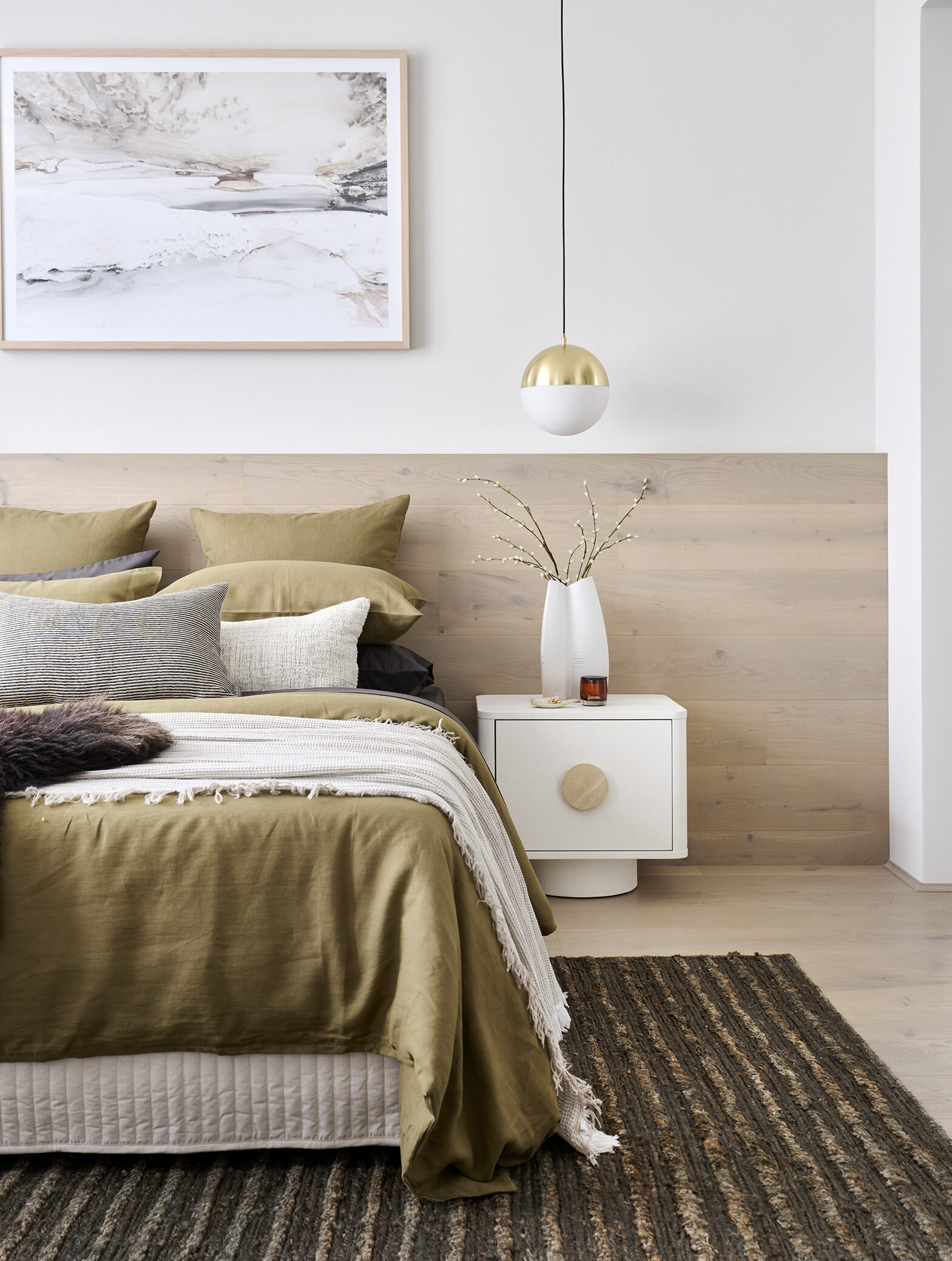
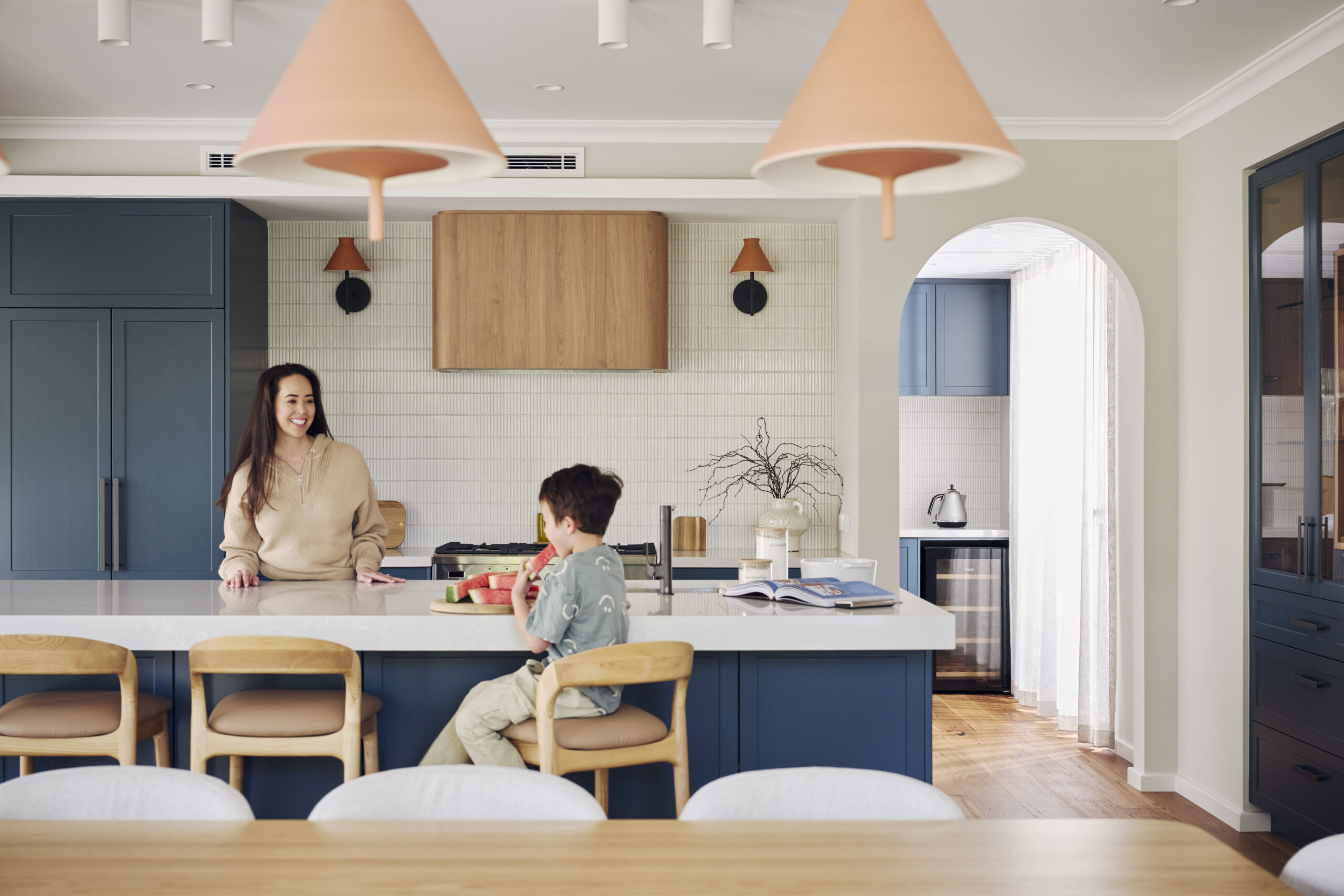
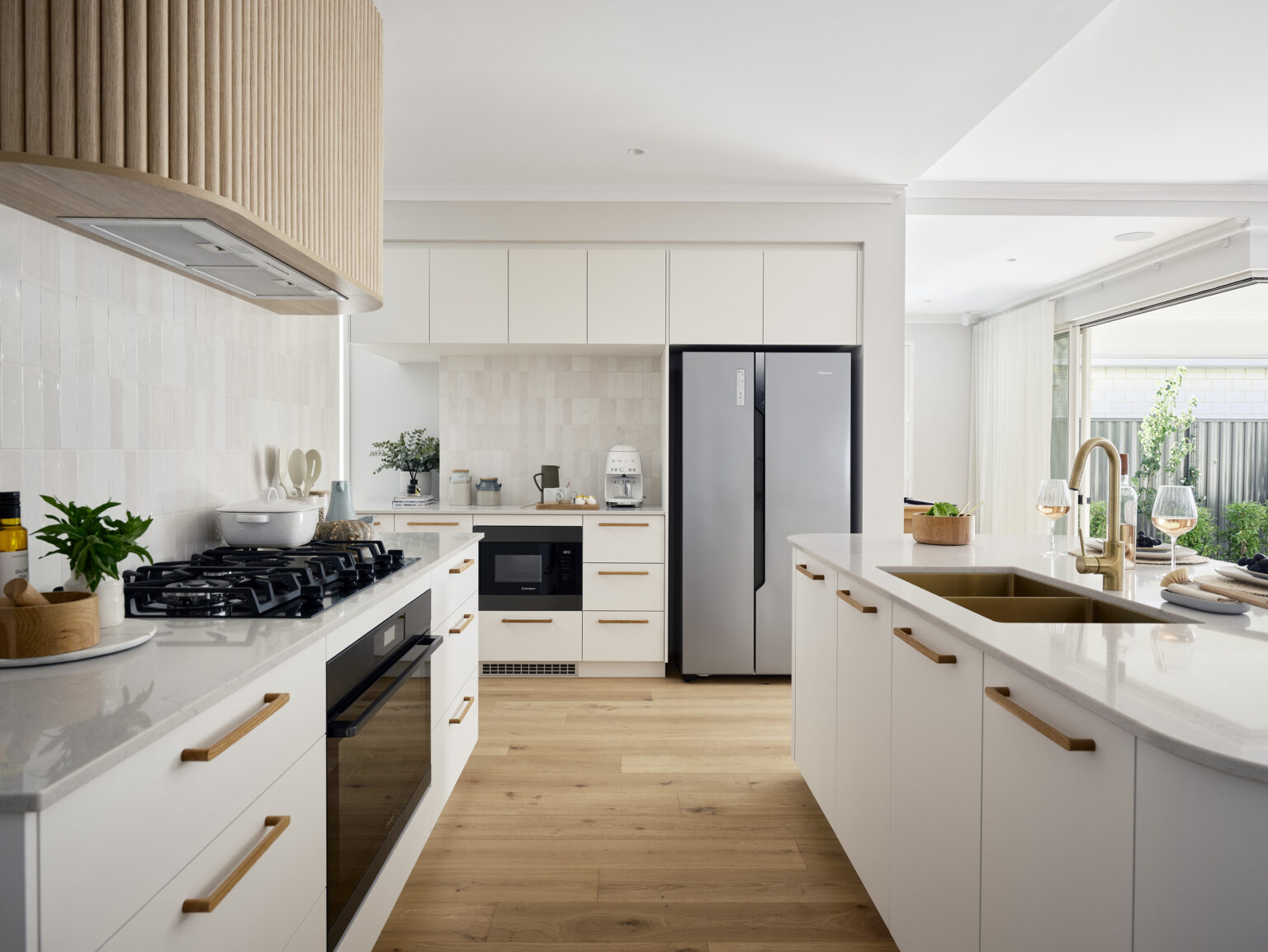
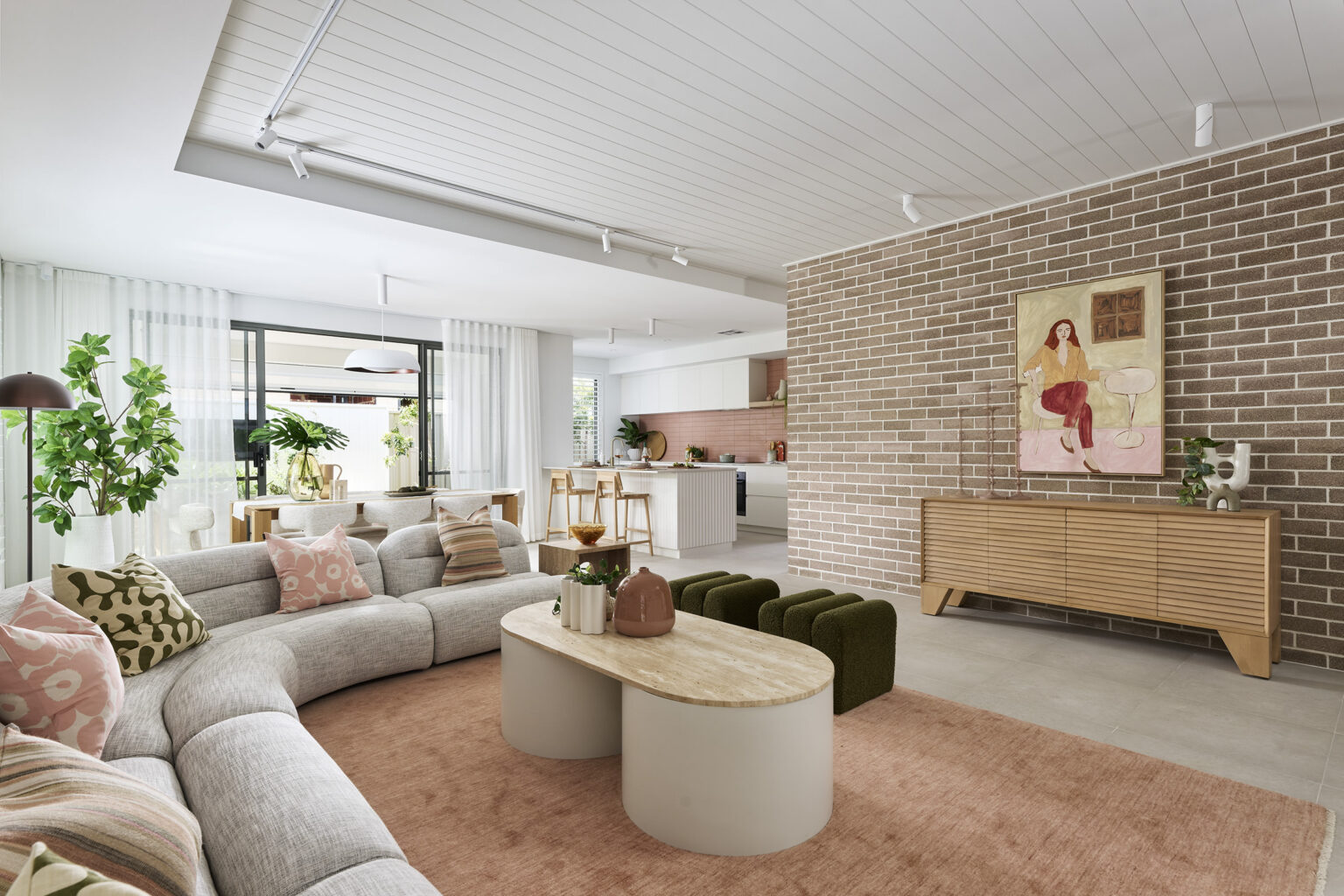
The homes that stand the test of time aren’t the ones that ignored trends. They’re the ones that used them thoughtfully. A neutral foundation with warm timber accents and a statement pendant light. Clean white cabinetry with an unexpected fluted island bench. Soft walls with matte black tapware and a textured tile splashback.
Timeless does the heavy lifting. Trending adds the personality. Together, they make a home that feels considered, current and completely yours.