There’s something quietly powerful about a well styled living room. It’s the space where guests linger a little longer, where family gathers and where you finally exhale at the end of the day.
Styling it is not about filling it quickly. It is about shaping it intentionally. Layering beauty with practicality so it feels considered, not crowded. If you approach it step by step, the process becomes far less overwhelming and far more enjoyable.
Here’s how to think about it.
Start with the Vision
Before buying a single cushion, pause. What do you want this room to feel like? Calm and tonal? Light-filled and relaxed? Refined and structured?
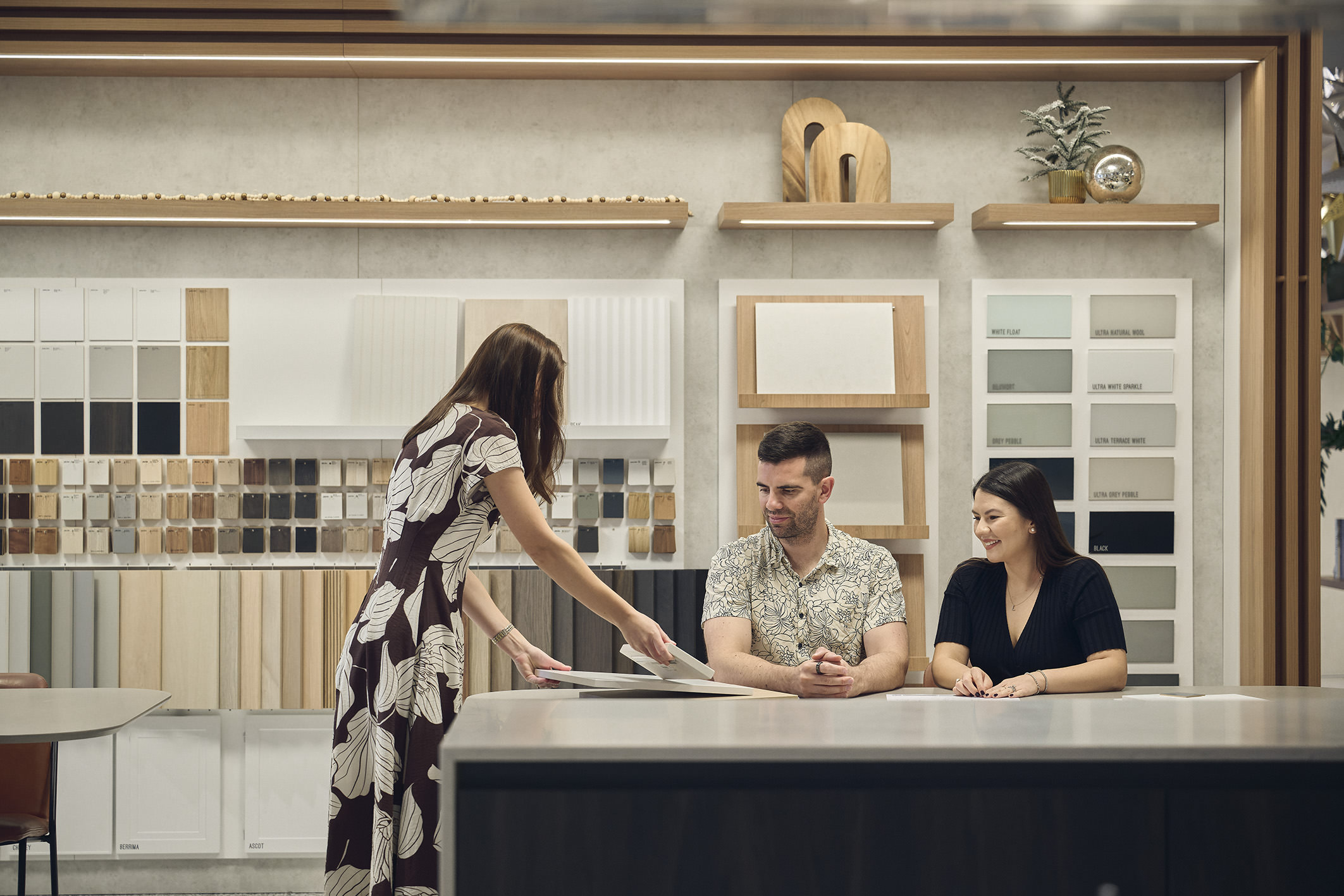
A vision board gives your ideas direction and stops you from making impulse decisions later. Pull inspiration from Pinterest, Instagram, magazines or display homes you have walked through and loved. When you review what you’ve saved, look for patterns. Are you drawn to soft curves, darker timbers, warm neutrals or sculptural lighting? That repetition is your style revealing itself.
Key tip: Use Canva to build a vision board that focuses on mood and materials, not just individual products. This will keep every future decision aligned.

Function First
It might seem obvious but start with the why before the what. How will this space actually be used? Casual family evenings, formal entertaining, or quiet mornings with a coffee and a view? Your furniture layout influences everything. It determines how people move through the room, where the eye naturally lands and whether the space feels open or crowded.
Formal lounges often feel more structured, with couches facing each other and a clear focal point such as a fireplace or statement artwork. Casual lounges feel softer and more relaxed, designed around comfort and conversation. Neither is better. It simply depends on how you want to live in the space.
Key tip: Do not forget the practical side! Kids, pets and high traffic areas should always be factored in early.
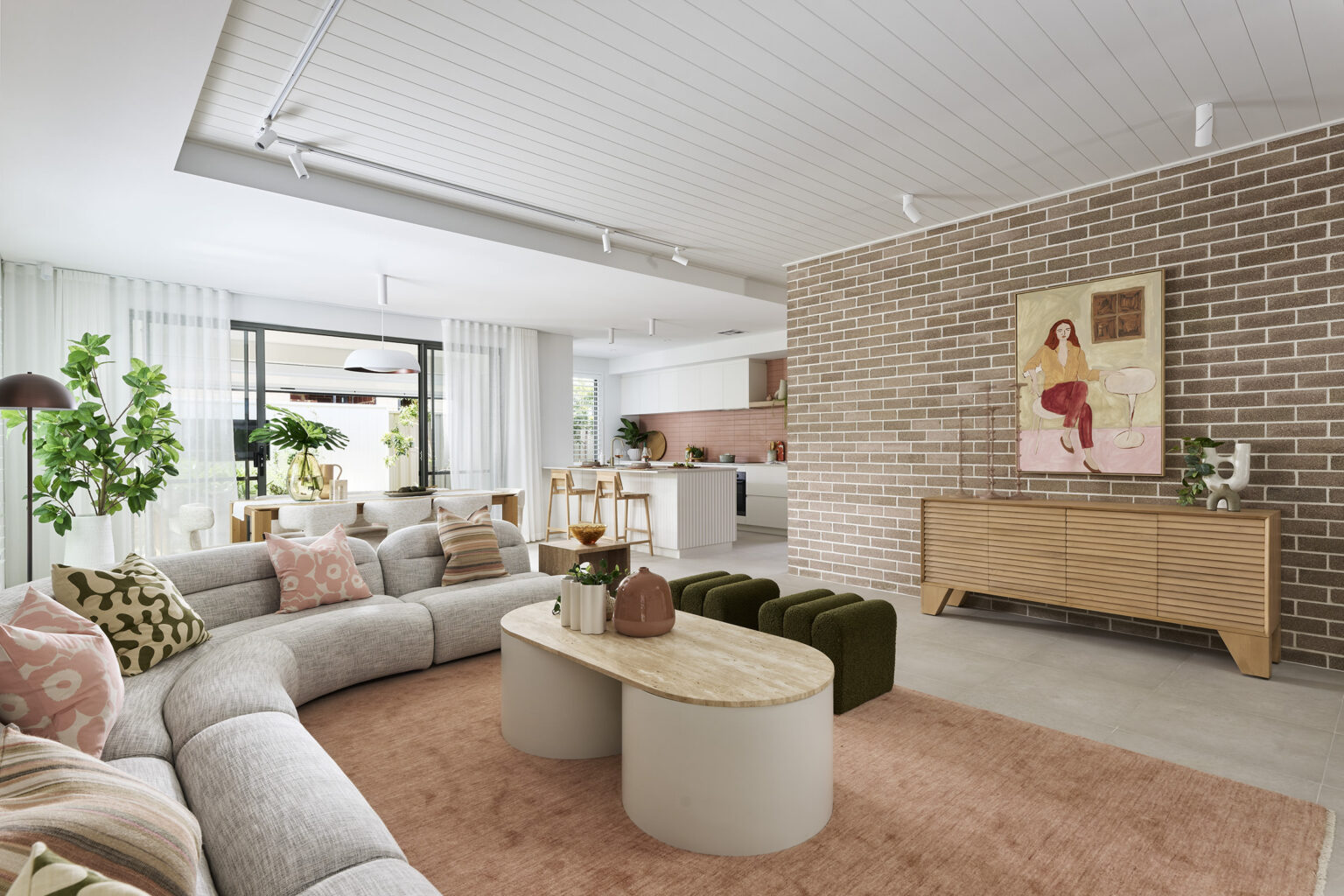
Choose the Couch First
Your couch is the anchor of the room. Everything else, like rugs, tables and chairs, will revolve around it.
Take time choosing the right size. A generous modular can feel luxurious in a large space but overwhelming in a smaller one. Fabric choice matters just as much. Linen blends feel relaxed and natural, while more structured upholstery feels tailored. In a family home, durability should always be part of the conversation. Neutral colours give you flexibility with cushions and throws over time. A bold colour can make the couch the hero of the room. Neither is wrong, it simply depends on your vision.
Occasional chairs can also add balance and flexibility, especially if you enjoy entertaining.
Key tip: Select a couch that suits both your room’s scale and your lifestyle. Style should never compromise comfort.
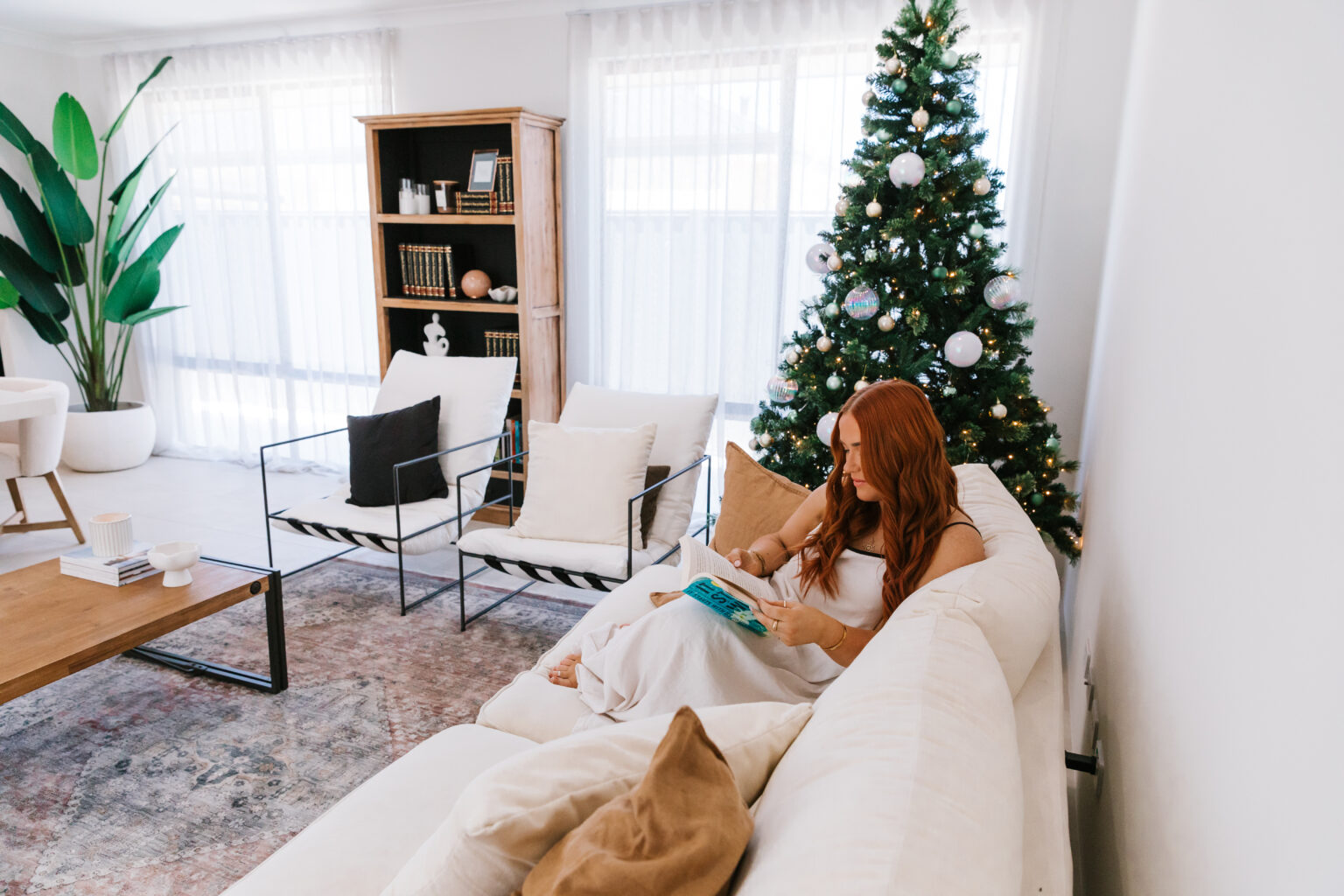
Layer in the Tables
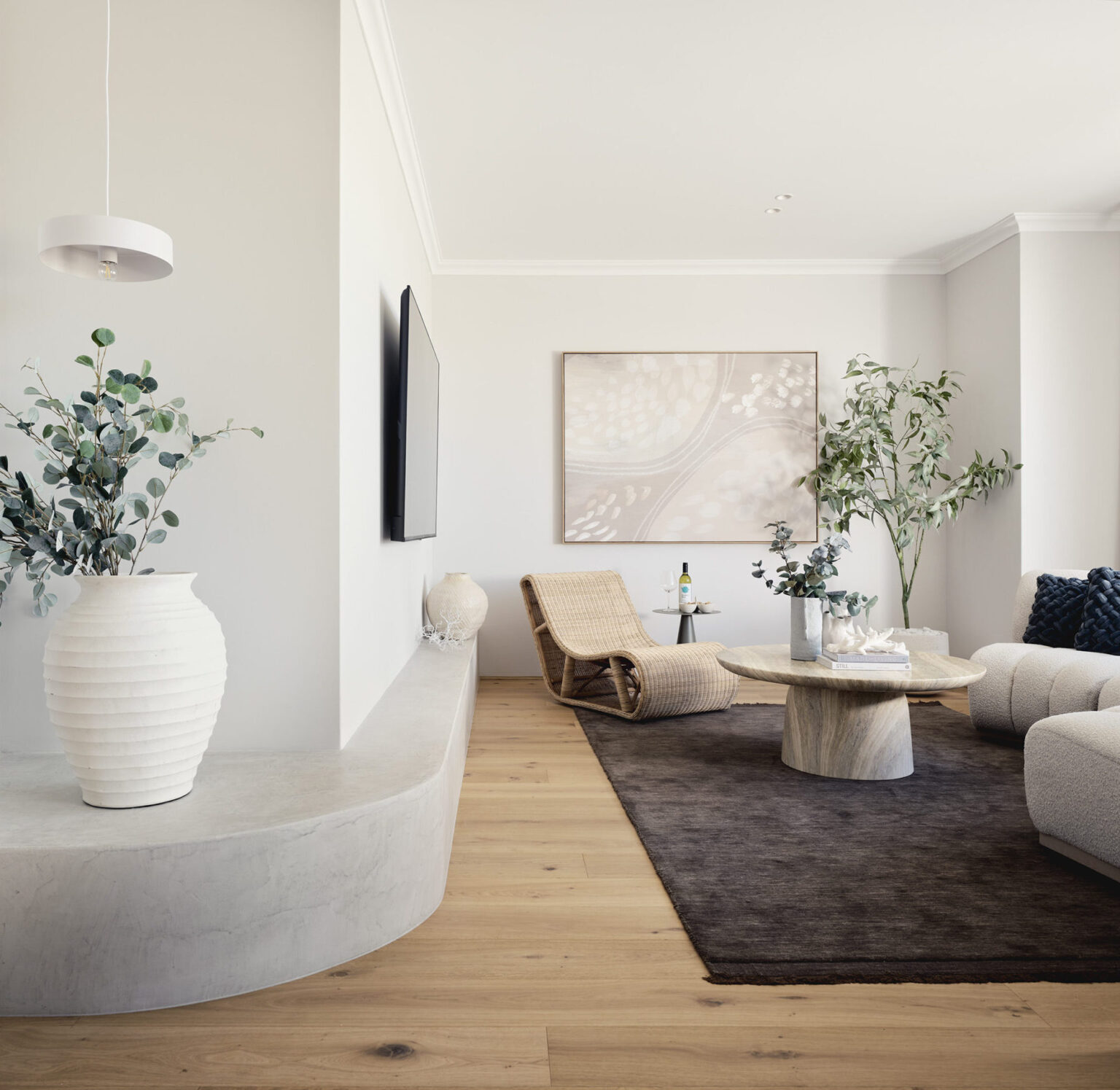
Coffee tables, side tables and entertainment units might seem secondary, but they are what make the room feel complete. They add balance and practicality while supporting the overall look. Think about shape. Round tables soften a room with strong lines. Rectangular shapes create structure. Materials influence mood as well. Timber brings warmth, stone adds presence and glass keeps the space feeling light.
If you are including a television, it can still feel integrated within a well styled space. Placement is what makes the difference.
Key tip: When mounting a TV, position the centre of the screen at seated eye level for the most comfortable viewing experience.
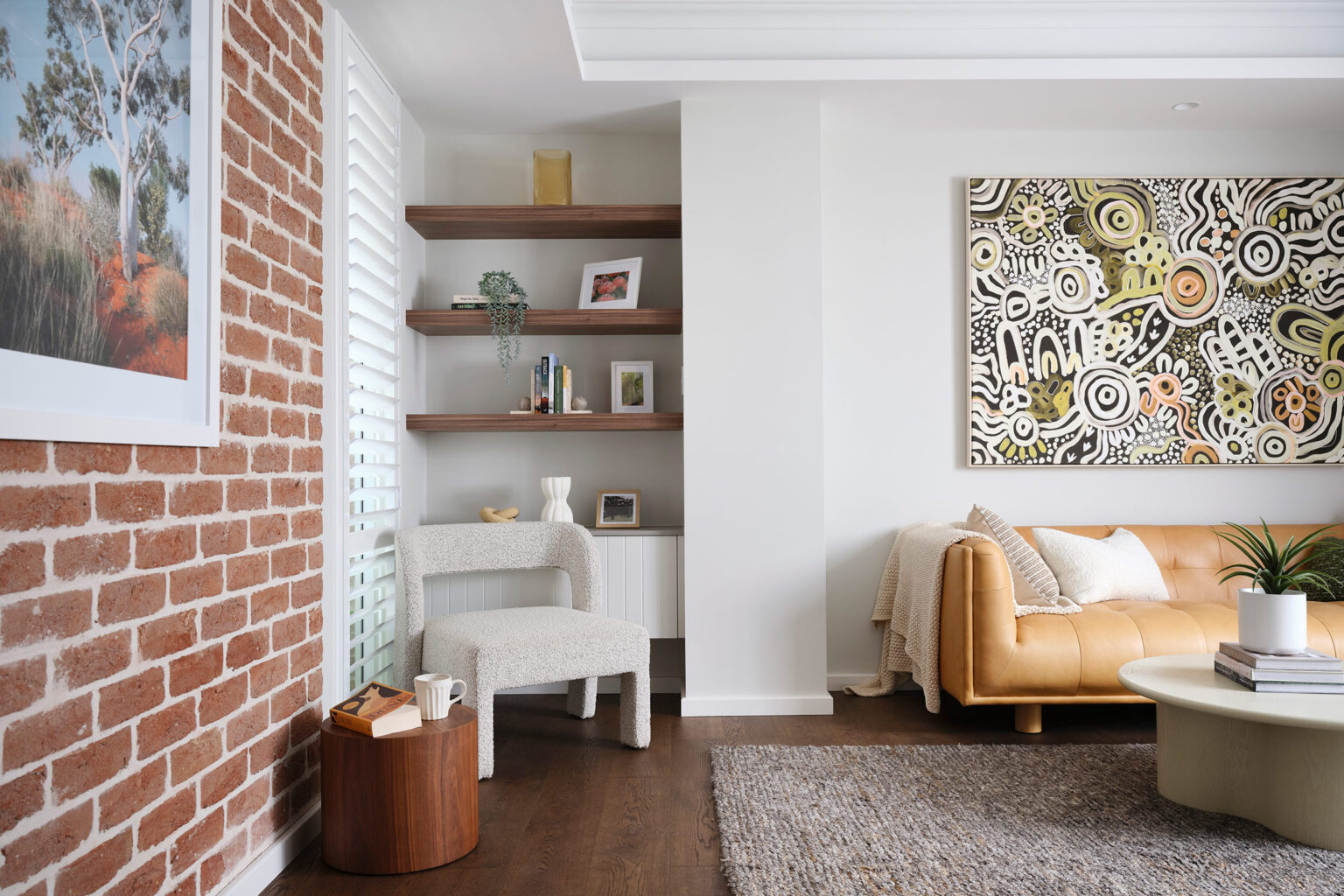
Anchor the Room with a Rug
A rug is what visually pulls everything together. Without one, furniture can feel like it is floating. With the right size and texture, the room instantly feels grounded. Scale matters here. A rug that is too small will break up the space and make it feel disjointed. A generous rug allows the front legs of your couch and chairs to sit on it comfortably, creating unity across the room.
Texture also plays a role. Low pile rugs are practical for busy zones, while softer weaves create a more relaxed feel underfoot.
Key tip: Choose the largest rug your space and budget allow. Scale is what makes a room feel considered.
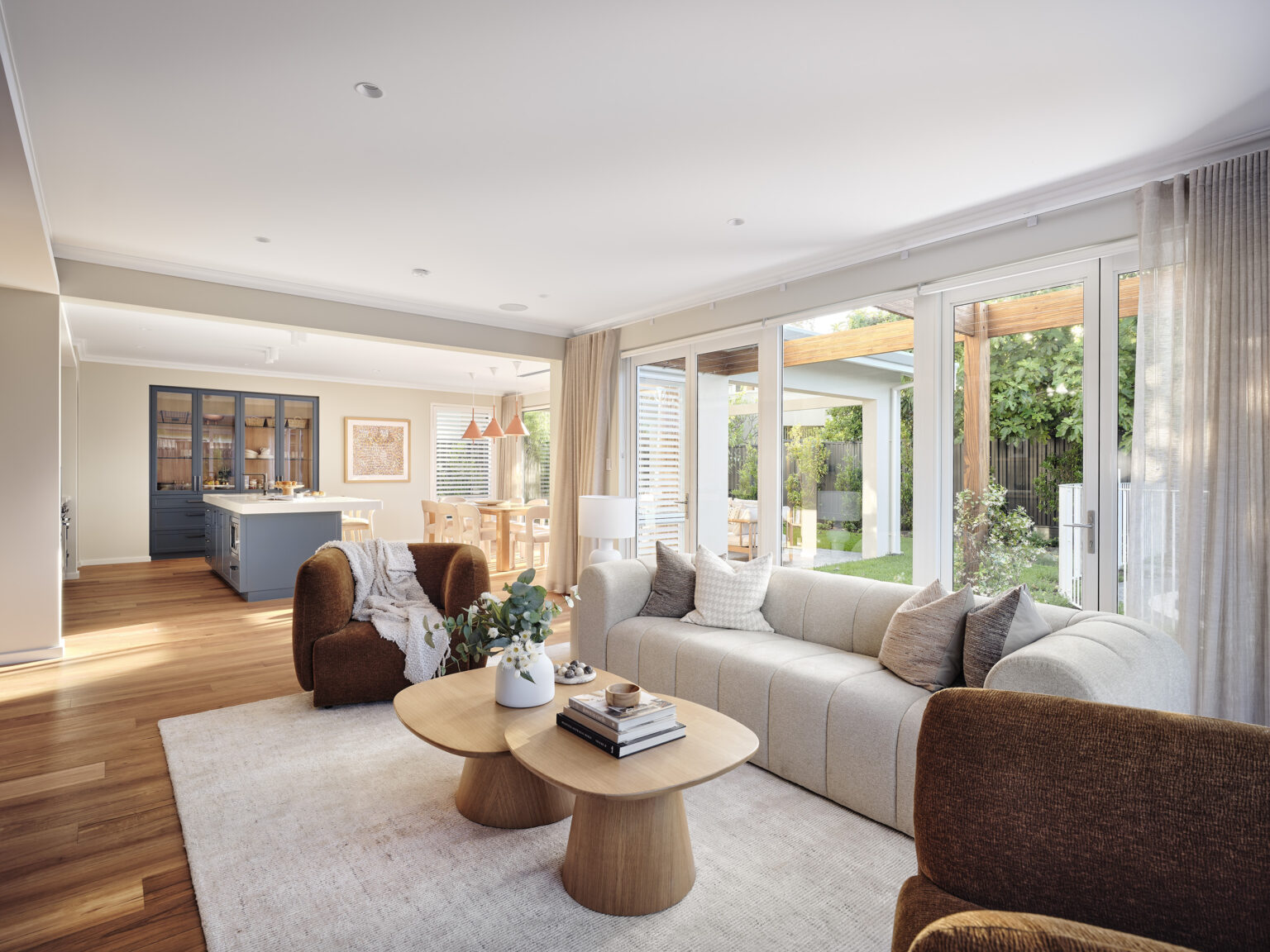
Finishing Touches
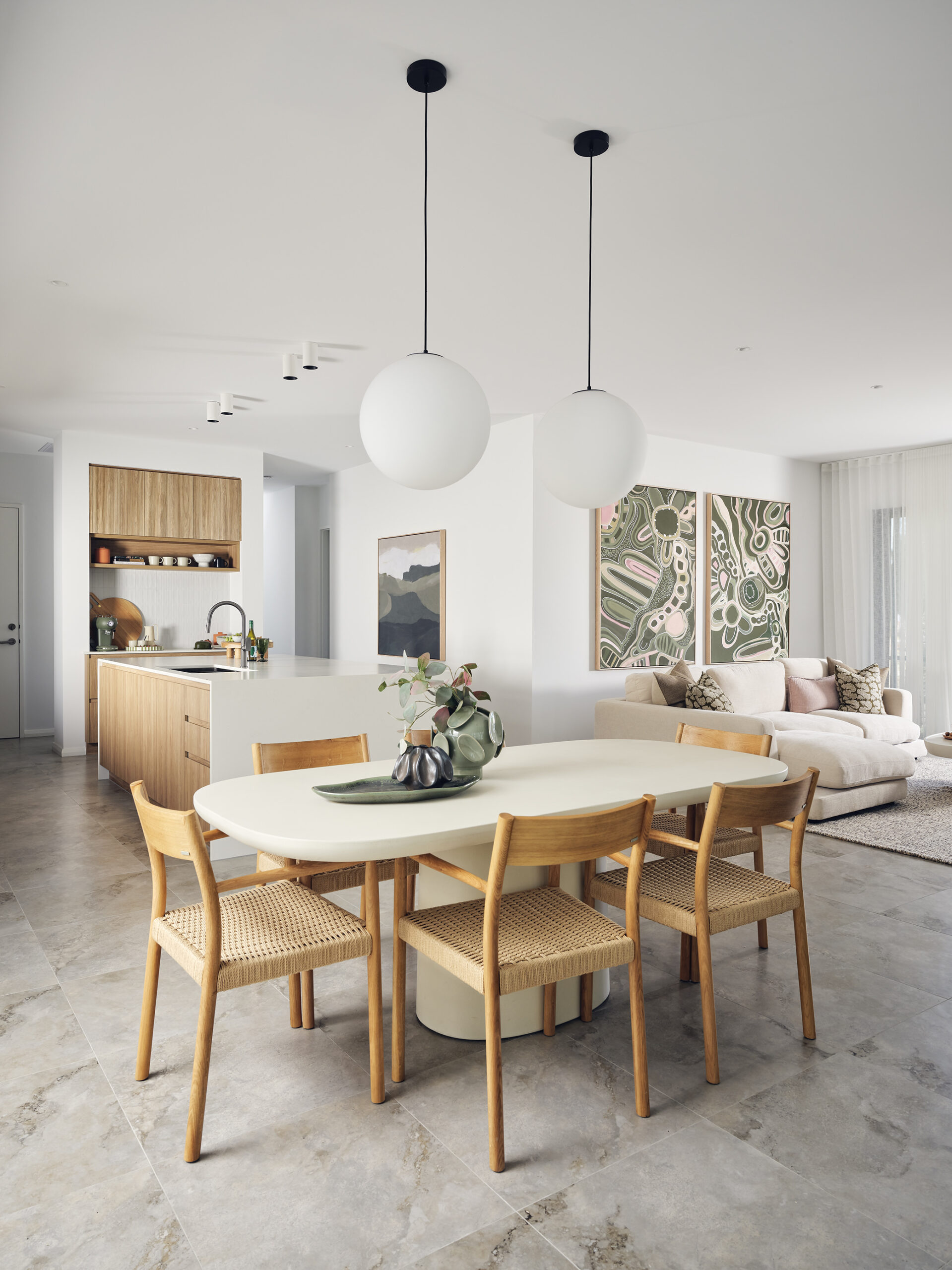
This is where the room begins to feel personal. Lighting, artwork, greenery and window treatments elevate a space from functional to inviting.
Layer your lighting so the room can shift throughout the day. Overhead lighting for general use, lamps for softness and warmth in the evenings. Choose artwork that feels meaningful rather than filling a blank wall for the sake of it. Add greenery to bring movement and life into the space.
Sheer curtains can transform a room entirely, diffusing light and adding a sense of height and softness.
Key tip: Once styled, step back and assess. Sometimes removing an item makes the room feel more intentional.
Styling your living room in a new home is not about getting everything perfect on day one. It is about making thoughtful decisions that reflect how you want to live. When you start with a clear vision and layer each element with purpose, the space will come together in a way that feels natural, comfortable and entirely your own.